Container Top Cover A Practical Guide for Safe and Smart Cargo Protection
Shipping cargo in open containers feels a bit like driving a convertible during monsoon season. It works, but only if you protect the top properly. This is where a Container Top Cover proves its value. It shields cargo from weather, dust, and handling risks while keeping logistics efficient and compliant.
This article explains container top covers in a clear and professional way. It follows modern search engine guidelines, uses verified industry knowledge, and avoids exaggerated claims. You will also find a light touch of humor, because logistics already feels serious enough.
What Is a Container Top Cover
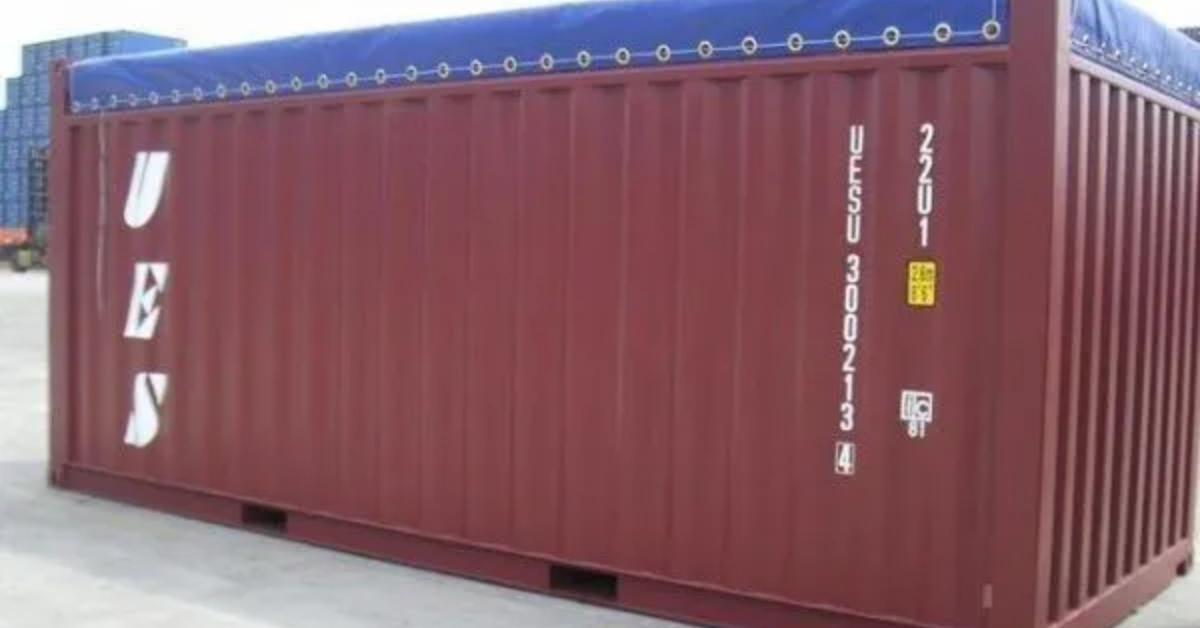
A container top cover is a protective layer designed for open top containers. These containers lack a fixed roof, which allows easy loading of tall or oversized cargo. The cover replaces the missing roof and protects goods during storage and transport.
Most covers use heavy duty materials such as PVC coated fabric or reinforced tarpaulin. Manufacturers design them to resist rain, sunlight, and wind pressure. The cover attaches securely using ropes, hooks, or locking systems that meet container safety standards.
According to guidelines published by the International Organization for Standardization, container accessories must support safe transport and handling. Top covers follow these principles by combining strength with flexibility.
Why Container Top Covers Matter in Modern Logistics
Open containers solve many loading problems, but they create exposure risks. A container top cover reduces those risks in a practical and affordable way.
Weather protection stands as the first benefit. Rainwater damages steel, machinery, timber, and packaged goods. Sunlight can degrade plastics and sensitive materials. A proper cover blocks both threats.
Security comes next. While a top cover does not replace locks, it limits visibility and access. This discourages tampering during transit and storage.
Compliance also plays a role. Shipping lines and port authorities expect cargo to remain secure and stable. The International Maritime Organization emphasizes cargo protection to prevent loss at sea. A fitted top cover supports this requirement.
In short, the cover keeps cargo dry, stable, and less tempting. That sounds like a good deal already.
Types of Container Top Covers Available Today
Not all cargo behaves the same, so covers vary by design and strength. Choosing the right type improves safety and lifespan.
Tarpaulin Container Top Covers
Tarpaulin covers remain the most common option. They use PVC coated fabric with reinforced edges. These covers offer flexibility, light weight, and cost efficiency.
Logistics companies prefer tarpaulin covers for general cargo such as machinery parts, construction materials, and packaged goods. The fabric resists tearing and handles repeated use well.
Hard Top Replacement Covers
Some operations use rigid panels as top covers. These panels provide extra security and structural strength. They work well for long distance or high value shipments.
However, rigid covers cost more and require additional handling equipment. Many shippers choose them only when cargo sensitivity demands it.
Customized Container Top Covers
Certain cargo shapes demand custom solutions. Manufacturers can design covers with specific dimensions, attachment points, or material thickness.
Customization helps when dealing with oversized machinery or irregular loads. It also improves sealing and reduces movement during transit.
Materials Used in High Quality Container Top Covers
Material quality defines performance. A weak cover fails quickly, and failure at sea never ends well.
Most trusted covers use PVC coated polyester fabric. This material offers water resistance, UV resistance, and tensile strength. Reinforced stitching adds durability at stress points.
Some covers include flame retardant properties. This feature supports safety regulations in ports and industrial zones.
Industry testing standards such as those defined by the International Organization for Standardization help ensure materials perform under load and weather pressure.
How Container Top Covers Improve Cargo Safety
Cargo safety depends on stability and protection. A top cover supports both.
First, it prevents water pooling inside the container. Water damage causes corrosion, mold, and product loss. Insurance claims often start with water exposure, so prevention saves money and stress.
Second, the cover reduces cargo movement. A tight fitting cover helps maintain load position, especially during rough weather or sudden braking.
Third, it supports safer handling. Workers can secure cargo knowing the top remains protected. This reduces accidents during loading and unloading.
The World Shipping Council frequently highlights cargo loss prevention as a key industry goal. While a top cover cannot stop every risk, it reduces many common ones.
Installation and Maintenance Best Practices
Even the best cover fails if installed poorly. Proper handling extends lifespan and improves performance.
Installation should follow manufacturer instructions. Workers must ensure even tension across the cover surface. Loose areas collect water and increase wear.
Regular inspection matters. Look for tears, worn edges, or weakened stitching. Early repair costs far less than full replacement.
Cleaning also helps. Dirt and salt residue degrade fabric over time. Simple washing with mild detergent keeps the cover flexible and strong.
A little care goes a long way. Think of it like maintaining a raincoat. Ignore it, and it leaks at the worst moment.
Container Top Covers and Regulatory Compliance
Compliance keeps shipments moving smoothly. Authorities expect cargo to meet safety and transport standards.
The International Convention for Safe Containers outlines container integrity requirements. While the convention focuses on container structure, accessories like top covers must support overall safety.
Shipping lines often require covers to meet internal quality guidelines. Using certified or industry approved covers reduces delays and disputes.
Insurance providers also look at cargo protection measures. A documented use of quality top covers can support claims and risk assessments.
Following rules may feel boring, but delays feel worse. Compliance protects time, money, and reputation.
Environmental Considerations and Sustainability
Sustainability matters in logistics now more than ever. Container top covers contribute in subtle ways.
Reusable covers reduce waste compared to disposable wrapping materials. A durable cover can last many years with proper care.
Some manufacturers use recyclable materials or low emission production processes. While this does not make shipping carbon neutral, it supports incremental improvement.
The International Maritime Organization encourages waste reduction and material efficiency across shipping operations. Reusable top covers align with this direction.
Saving the planet one cover at a time may sound ambitious, but progress often starts small.
Choosing the Right Container Top Cover for Your Needs
Selecting the right cover involves a few practical questions.
What cargo type will you ship Most often. Heavy machinery needs thicker fabric than boxed goods.
How often will you reuse the cover Frequent use demands higher durability.
What weather conditions will the shipment face Tropical rain and strong sunlight require stronger UV and water resistance.
Working with reputable suppliers helps ensure quality. Trusted manufacturers test products according to recognized standards and provide clear specifications.
Avoid cheap shortcuts. A failed cover costs more than a good one ever will.
Common Mistakes to Avoid
Mistakes happen, but many remain avoidable.
One common issue involves incorrect sizing. A cover that does not fit creates gaps and stress points.
Another mistake involves poor storage. Folding a wet cover and leaving it unattended encourages mold and fabric damage.
Ignoring minor damage also causes trouble. Small tears grow fast under wind pressure.
Learning from these mistakes saves time, money, and frustration.
The Future of Container Top Covers
Innovation continues in this space. Manufacturers explore lighter materials with higher strength. Smart fabrics with improved resistance appear more often.
Some companies test tracking tags integrated into covers. These tags help monitor usage and lifespan.
While the basic function stays the same, design improvements support safer and more efficient shipping.
Logistics evolves, and even simple tools like top covers adapt with it.
Final Thoughts on Container Top Covers
A container top cover may not look exciting, but it plays a vital role in cargo protection. It guards against weather, supports compliance, and improves safety across the supply chain.
Choosing the right cover requires understanding cargo needs, material quality, and handling practices. Following industry guidelines and using trusted sources builds operational trust and reliability.
In logistics, small details often prevent big problems. A solid container top cover proves that point every single day.